
The Hell Hoax
How Fear Became Christianity's Greatest Weapon
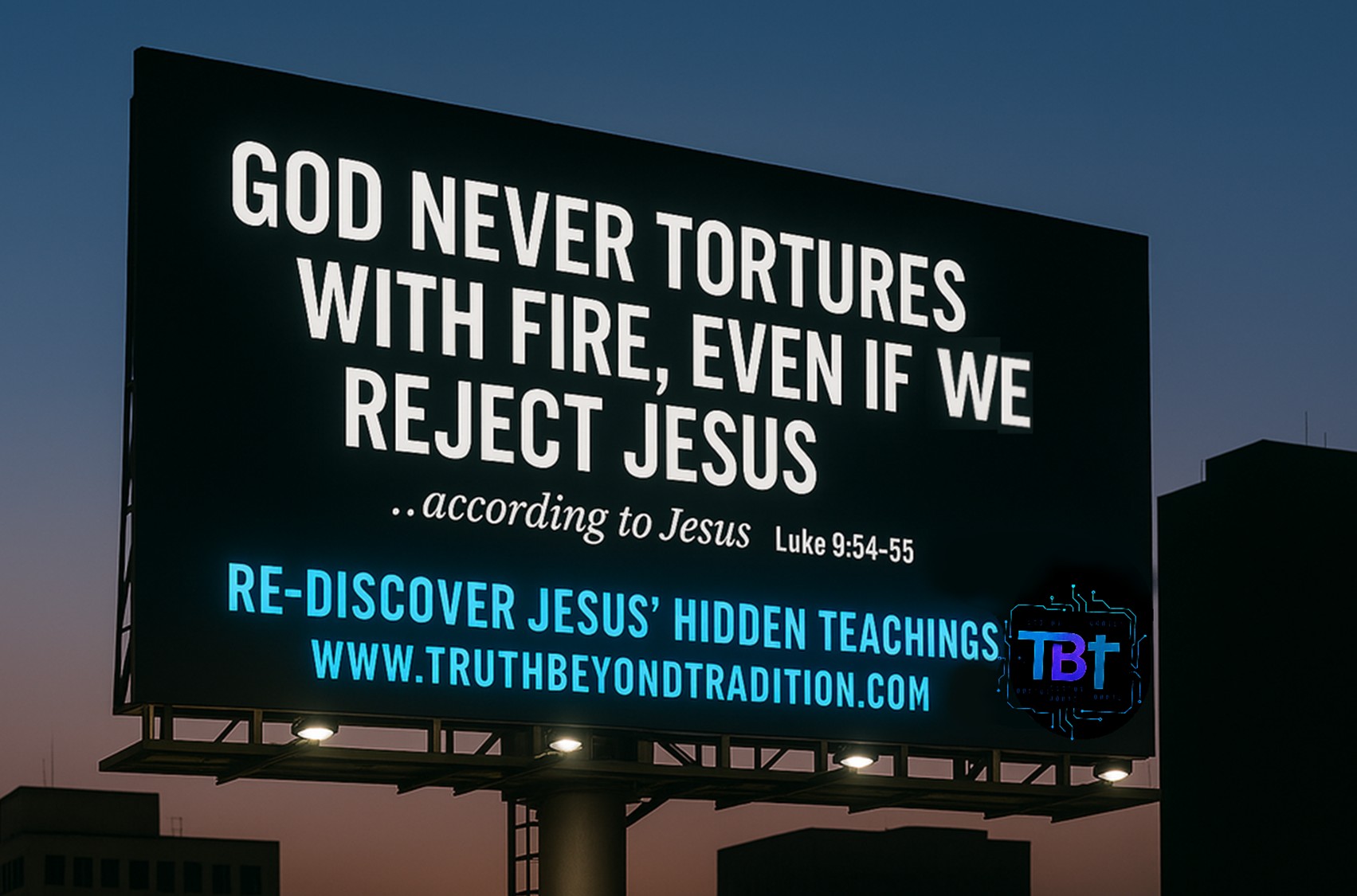
No doctrine has been more effective at controlling human behavior than the threat of eternal torment. Yet when we examine Jesus' actual teachings, we find a revolutionary rejection of the fear-based spirituality that hell doctrine represents.
Fear as a Weapon
The Greek word "Gehenna" that Jesus used referred to a literal garbage dump outside Jerusalem—not a metaphysical torture chamber.The transformation of this geographical reference into cosmic terrorism reveals how Jesus' liberating message was hijacked by institutional fear.
Jesus Rejects Hellfire
In Luke 9:54-55, when James and John ask Jesus if they should call down fire from heaven to destroy a Samaritan village, Jesus rebukes them, saying "You do not know what manner of spirit you are of." This isn't the response of someone who believes in eternal fire as divine justice.
Jesus consistently taught about a God of boundless mercy, not vindictive torture. The hell doctrine represents the very "manner of spirit" Jesus opposed—the desire to punish rather than heal, to condemn rather than liberate.
The Psychological Prison
Hell doctrine doesn't just threaten future punishment—it creates present psychological torture. People live in constant fear, unable to experience the joy and freedom that Jesus promised. This is the real hell: a mind trapped in terror of divine revenge.
Liberation begins when we recognize that the God Jesus revealed doesn't torture anyone, ever, for any reason. Divine love doesn't become divine wrath—it remains consistently loving, even toward those who reject it.
Ready to Go Deeper?
This article explores themes from "Escape the Hell Myth: Rediscover The Teachings Of Jesus On Love" by Ansilo Boff. For a comprehensive examination of these ideas with full scriptural evidence, linguistic analysis, and deeper exploration, read the full book.
Read the Full Book →